Avoid Account Locks & 60min Evidence Errors: Reinstate GBP (UK)

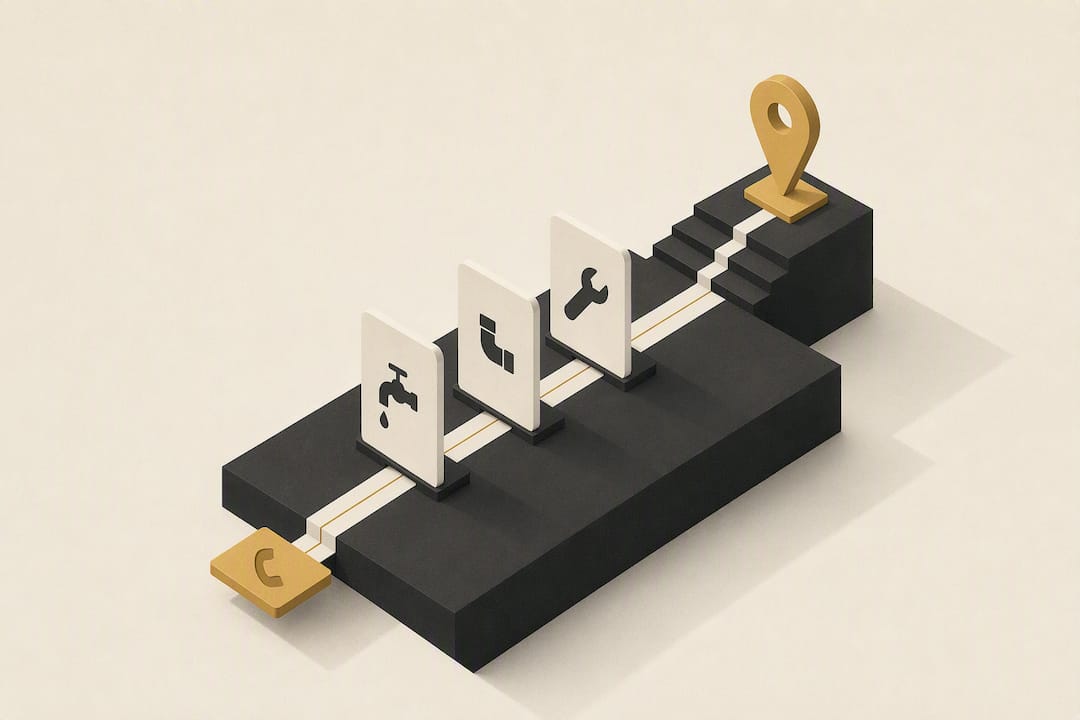
To reinstate a suspended Google Business Profile, first work out whether the suspension is soft or hard, fix whatever triggered it, gather evidence such as a business licence and a recent utility bill, then submit a single appeal through Google’s appeals tool. Check for a Google Account restriction first: it blocks every profile you manage until it’s cleared. Most cases resolve within a moderate timeframe once the fix and evidence are solid.
TL;DR:
- Most suspensions are caused by name violations, address issues, or duplicate listings, which can usually be fixed within a day.
- If your profile disappears entirely, it is likely a hard suspension or account restriction, requiring you to recover the account first.
- Gathering at least four recent, corroborating documents such as a business licence, utility bill, and geotagged photos improves the chances of first-time approval.
- Submit only one clear, factual appeal through Google’s tool, avoiding multiple attempts or incomplete evidence, as this reduces approval chances.
- After reinstatement, maintain consistent business details across all platforms, enable two-factor authentication, and conduct monthly profile audits to prevent future suspensions.
Table of Contents
- Quick recovery checklist for reinstating your Google Business Profile
- How do I know if my profile is suspended or restricted?
- Common causes of profile suspension and how to fix each one
- What documents and photos should I gather for the appeal?
- How do I submit the appeal through Google’s appeals tool?
- How long does reinstatement take and what happens after a denial?
- How can I prevent another suspension after reinstatement?
- An agency’s perspective on handling reinstatement cases
- How Blindspot helps you recover and protect your Business Profile
- Sources
- FAQ
Quick recovery checklist for reinstating your Google Business Profile
Work through this before you touch the appeals form. Each step exists to stop you submitting an appeal that gets bounced straight back.
- Open your dashboard and read the banner. It tells you whether you’re dealing with a suspension, a disabled profile, or something else entirely.
- Check your Google Account status separately. If the account itself is restricted, no amount of profile fixing will help until that’s lifted.
- Audit your business name, address and category against your signage, lease and trading documents.
- Search for duplicate listings under your business name and address.
- Assemble your documents and photos before you open the appeals tool, not after.
- Submit one appeal through the Business Profile appeals tool, not several scattered attempts.
Rushing step six before finishing one through five is the single most common reason appeals fail on the first try.
How do I know if my profile is suspended or restricted?
A soft suspension leaves your profile visible on Google Maps and Search, but with certain features locked. You might lose the ability to edit details, respond to reviews, or post updates, while the listing itself still shows up when customers search for you.
A hard suspension is more brutal: your profile disappears entirely from Search and Maps, as though the business never existed online. This is the version that triggers panicked calls to marketing agencies.
Neither of those is the same as a Google Account restriction, which sits one level above the profile. If Google restricts your account rather than the profile, every listing tied to that login gets locked out simultaneously, and appealing an individual profile does nothing until the account issue is resolved. This trips up more business owners than any single policy violation, because the dashboard doesn’t always make the distinction obvious.
To diagnose which one you’re facing:
- Check the dashboard for a specific banner naming “suspended,” “disabled,” or a policy reference.
- Search Google directly for your business name to see if it’s genuinely gone or just editing locked.
- Look for an email from Google Business Profile support explaining the reason.
- Open the appeals tool itself, which usually displays the specific moderation reason behind the action.
If the account restriction is the actual blocker, the fix sequence changes: recover the Google Account first, secure it with two-factor authentication, and only then request reinstatement for the profile.
Common causes of profile suspension and how to fix each one
Google suspends profiles for a short list of recurring reasons, and most of them are fixable within a day if you know exactly what to change.
- Business name violations. Adding keywords, taglines, or location descriptors to your name field (“Smith Plumbing Brighton Emergency 24/7”) breaches guidelines. Fix it by matching the name on your profile exactly to your signage and business registration.
- Address and virtual office problems. Listing a virtual office or a residential address without customer access is a frequent trigger. If you genuinely serve customers at their location rather than yours, switch to service-area business settings instead of forcing a physical address.
- Duplicate listings. Google enforces one profile per eligible business at a given address, and duplicates are a documented cause of suspension. Search for older listings under previous names or slightly different addresses, then request a merge or removal.
- Category mismatch and misleading content. Choosing a category that doesn’t reflect your actual service, or stuffing the business description with unrelated services, reads as manipulation to Google’s systems.
- Suspicious review activity. A sudden spike in reviews, especially from accounts with no other activity, can flag the whole profile for scrutiny even when the business owner had nothing to do with it.
Run through your dashboard checking name, address, category and recent review patterns in that order. Name and address errors are the fastest to fix and the most common root cause.
Pro Tip: If you were suspended shortly after a bulk edit, such as changing your business name across multiple locations at once, undo that specific change first. Bulk edits are one of the most common accidental triggers.
What documents and photos should I gather for the appeal?

Google’s own guidance and practitioner experience both point to the same principle: a bundle of current, corroborating documents beats a single strong one. Requests supported by four or more distinct pieces of evidence tend to succeed more often on the first attempt than those relying on one document alone.
Priority documents to have ready:
- Business licence or company registration certificate.
- A utility bill dated within the last 90 days, showing the exact trading address.
- Lease agreement or property deed confirming your right to operate there.
- VAT or tax registration document, where applicable to your business type.
For photos:
- A clear shot of your exterior signage showing the business name.
- The entrance, ideally with the street number visible.
- Interior photos showing the business actually operating.
- Geotag every photo where possible; location data on the image file strengthens the claim considerably.
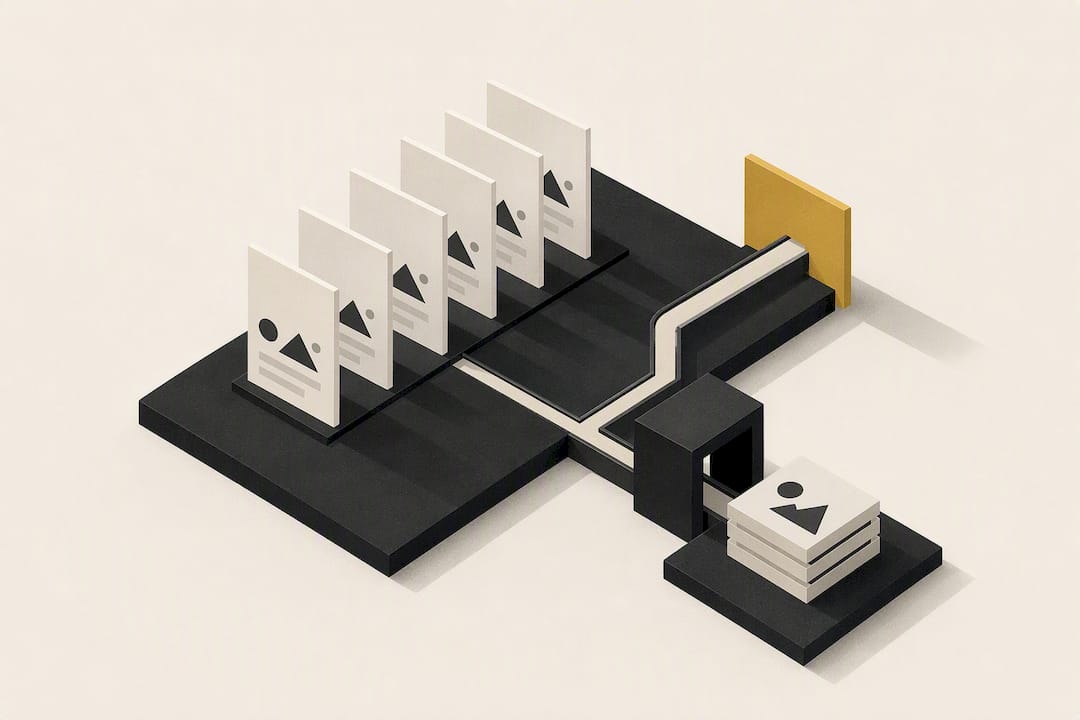
Save everything as JPEG or PDF, name the files clearly, and compress them into one folder before you go anywhere near the appeals form. The reason for this matters more than it sounds: the evidence upload window is roughly 60 minutes once you start an appeal, and scrambling to find a scanned utility bill while the clock runs is how solid appeals fail on formatting alone.
How do I submit the appeal through Google’s appeals tool?
Once your fix is done and your evidence folder is ready, follow this sequence:
- Navigate to the appeals tool through Google Business Profile Help, signing in with the account that manages the profile in question.
- Select the specific profile you’re appealing if you manage more than one; picking the wrong listing wastes your evidence window.
- Read the moderation reason Google displays. The appeals tool typically states the exact policy cited for the suspension, which should match what you diagnosed earlier.
- Write a factual, concise description. State what was wrong, what you changed, and which documents are attached. Avoid emotional appeals or lengthy business history; Google’s reviewers respond to specifics, not context.
- Attach your prepared evidence immediately within the upload window. If an attachment fails, retry with a smaller file size or a different format before the window closes.
- Submit once. Do not create a second profile for the same business while the appeal is pending; Google explicitly warns this worsens your prospects rather than speeding anything up.
If the appeal option itself isn’t visible on your dashboard, that usually points back to an account-level restriction rather than a profile issue. In that case, use the Help Centre’s “Contact us” routes instead, and describe the account restriction specifically, instead of referencing the profile.
Pro Tip: Keep your written description under 150 words. Reviewers handling volume appeals skim for keywords matching the violation and the fix; padding it with backstory buries the useful part.
How long does reinstatement take and what happens after a denial?
Soft suspensions generally review faster than hard ones, but timelines vary by case. Practitioner experience suggests soft suspensions often resolve within a matter of days, while hard suspensions and account-level restrictions can run into several weeks depending on case volume and how much evidence you’ve provided.
Common reasons appeals get denied on a second look:
- Documents older than the required window, particularly utility bills past 90 days.
- Address details on the appeal that don’t quite match the documents attached.
- Photos without geotags or lacking a clear view of signage.
- A description that restates the problem without confirming what was actually fixed.
If you’re denied, correct the specific reason given rather than resubmitting the same package. Repeatedly resubmitting near-identical appeals rarely improves the outcome; it tends to slow the queue for everyone. One well-corrected resubmission beats three rushed ones. If a second considered appeal still fails, escalate through the Help Centre’s “Contact us” option and request a manual review, referencing your case number from the previous submissions.
Check the appeals tool every few days rather than daily. Google doesn’t always email a status update, so the dashboard is often the first place a decision shows up.
How can I prevent another suspension after reinstatement?
Once you’re back online, a handful of habits keep you there.
- Keep your name, address and phone number identical across your website, directories and the profile itself. Even small mismatches, like “St.” versus “Street,” draw automated scrutiny.
- Match your profile name to your actual signage. If you rebrand or change premises, update everywhere at once rather than piecemeal.
- Add LocalBusiness schema markup to your website, which reinforces the same details Google cross-checks against your profile.
- Enable two-factor authentication on every account with manager access, and limit how many people can make bulk edits.
- Run a monthly check: confirm your profile is still live, scan for new duplicate listings, and review recent customer reviews for anything unusual.
A ten-minute audit once a month catches most drift before it becomes a suspension.
An agency’s perspective on handling reinstatement cases
Most straightforward suspensions, a wrong category, an outdated address, are fixable by a business owner in an afternoon. Where it gets harder is account hijacking, listings merged incorrectly with a competitor’s, or a second appeal already denied. Those cases eat weeks if you’re learning the appeals system as you go.
The pattern holds: complexity, not suspension type, decides whether outside help pays for itself.
— Harry
How Blindspot helps you recover and protect your Business Profile
If your own attempts have stalled, or the case involves a hijacked account or merged duplicate listings, An agency handles the diagnosis, evidence preparation and appeal submission directly. This is the alternative to muddling through Google’s appeals tool alone: you get a practitioner who has already seen which document combinations get approved on the first pass, rather than learning the system through trial and error while your listing stays invisible.
Services relevant to reinstatement and prevention include full GBP recovery and local search optimisation, evidence auditing, and ongoing review management through social media marketing support. When you contact an agency, have your business licence, a recent utility bill and any suspension emails from Google ready. That’s usually enough for an initial assessment of how straightforward your case is.
Get in touch through the SEO & GEO services page to start a review of your suspended profile today.
Sources
- Fix suspended or disabled profiles - Google Business Profile Help
- Appeal Business Profile content and profile restrictions
- Google Business Profile Reinstatement: The Complete Process | Flento
FAQ
How can I recover my Google Business Profile?
Diagnose whether it’s a soft or hard suspension, fix the underlying policy issue, gather documents like a business licence and recent utility bill, then submit one appeal through the Business Profile appeals tool.
Why has my Google Business Profile disappeared?
A hard suspension removes your profile entirely from Search and Maps, usually triggered by name violations, address problems, duplicate listings, or suspicious activity flagged on the account.
How do I unsuspend my Google Workspace account?
Recover the Google Account itself through Google’s account recovery process and enable two-factor authentication, since a Workspace or account-level restriction blocks every Business Profile tied to it until it’s cleared first.
How do I get my Google business unsuspended?
Fix the specific violation Google cites, assemble at least four supporting documents such as a licence, utility bill and geotagged photos, and submit a single complete appeal rather than several rushed attempts.
How long does a Google Business Profile suspension review take?
Soft suspensions often resolve within days; hard suspensions and account restrictions can take several weeks depending on evidence quality and case volume.